





Cultural Celebration
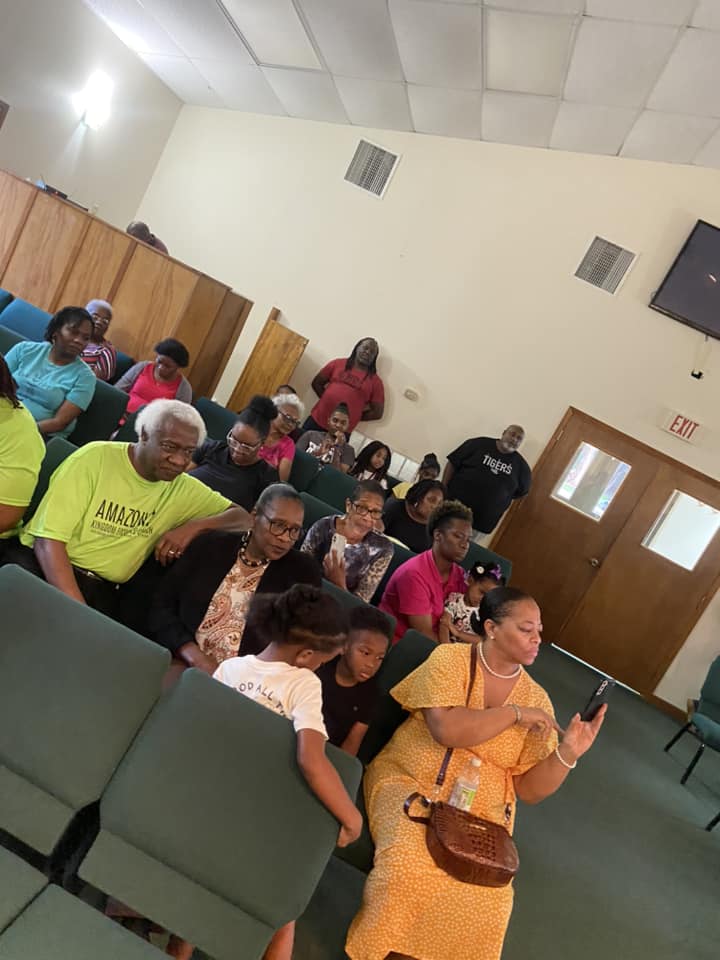
Church worship services are vital for Juneteenth.
Worship Services provide a sacred space for communal reflection, lament, and celebration, connecting the historical struggle for freedom to faith through songs, scripture (like Exodus), and prayers, fostering hope, spiritual resilience, and ongoing calls for racial justice and reconciliation, honoring the Black church’s legacy in the fight for liberation.
In essence, Juneteenth church services transform the holiday from a historical date into a living expression of faith, memory, and ongoing commitment to liberation for all people.
Education, engagement, and cultural preservation.
Transforming learning about Black history into an interactive, memorable experience that celebrates freedom’s journey, teaches crucial facts (like the Emancipation Proclamation’s delayed arrival in Texas), fosters community bonding, and inspires continued learning about African American achievements and ongoing struggles for equality, all while honoring heritage.
Moving beyond simple answers, they encourage discussion about the significance of events, figures, and cultural contributions, making history relatable.
They celebrate the resilience and achievements of African Americans, connecting the past struggle with present-day triumphs.
Black joy and community building.
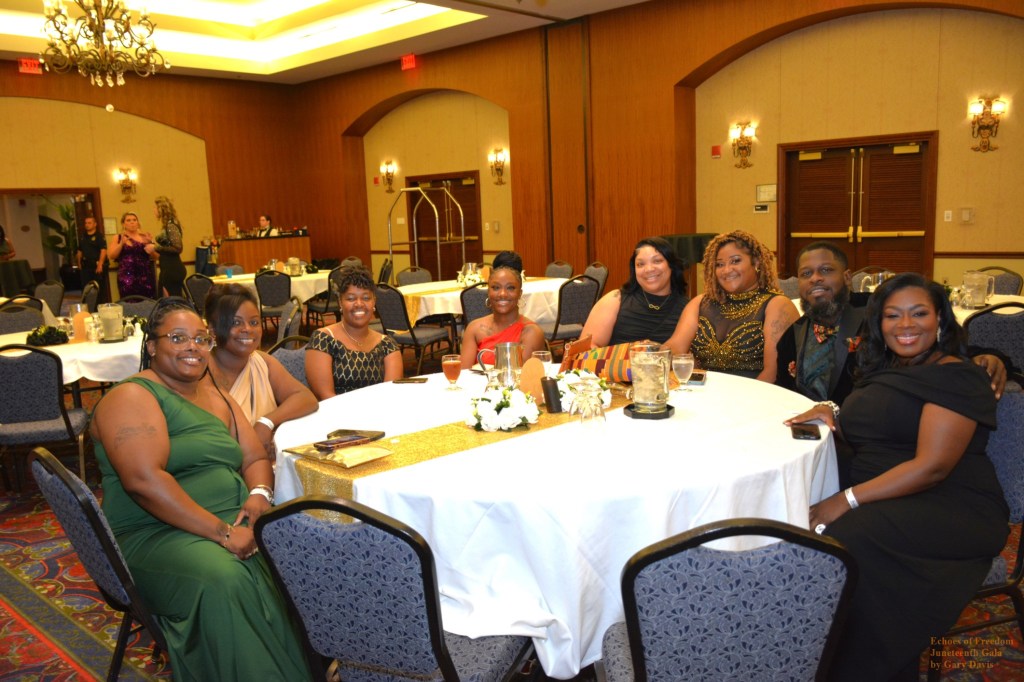
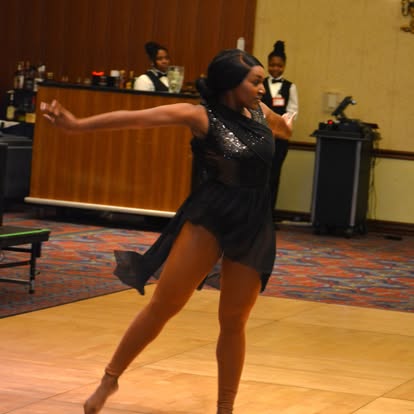
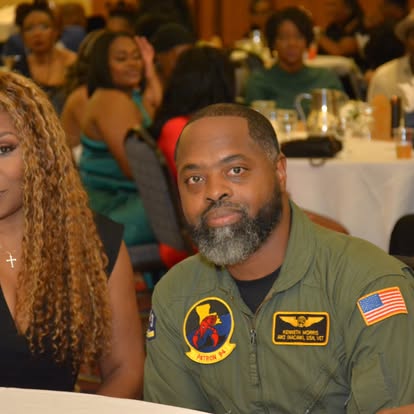
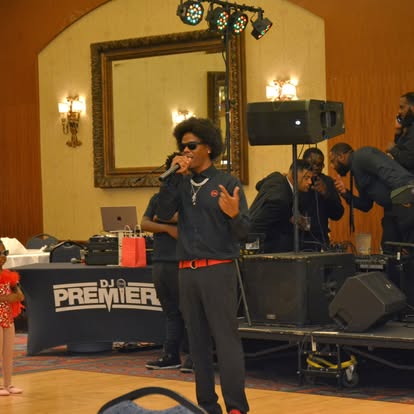
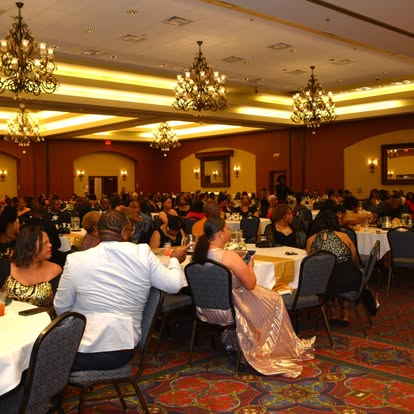
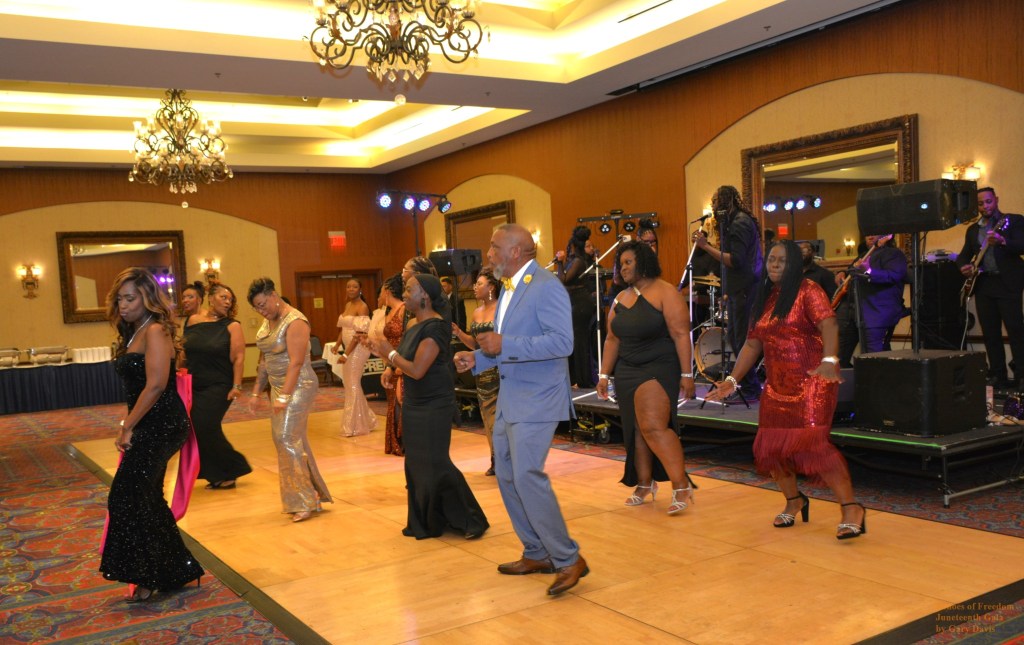
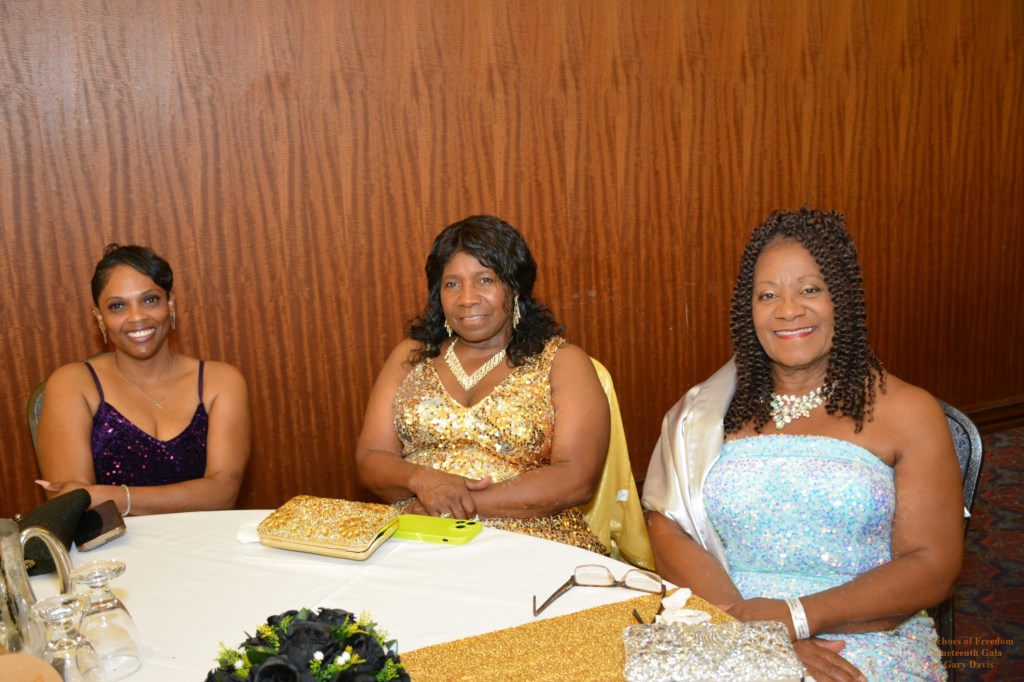
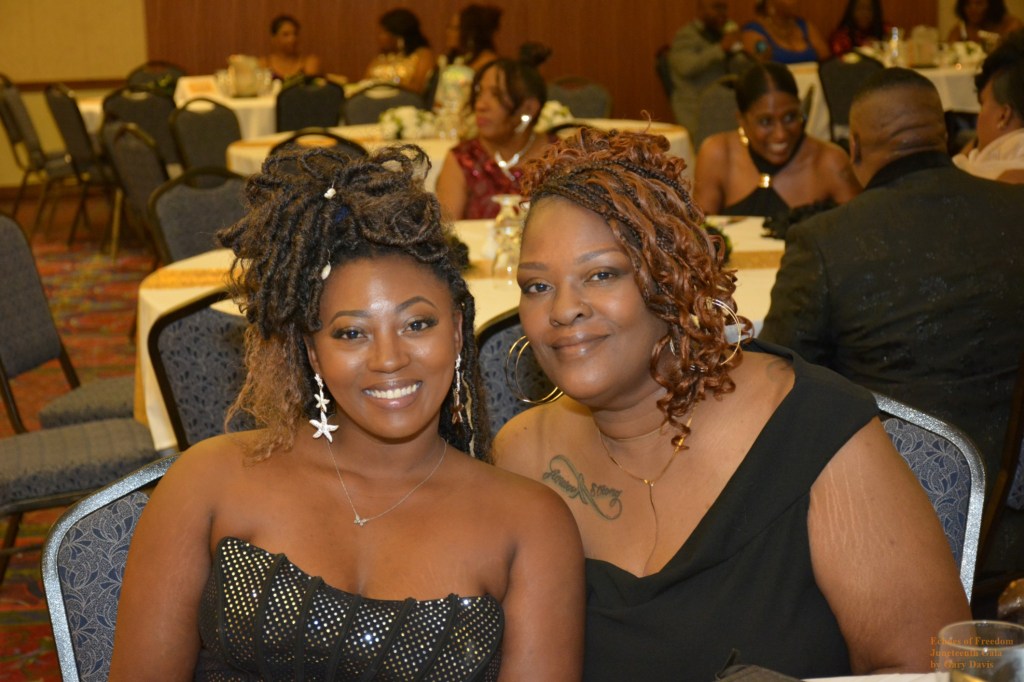
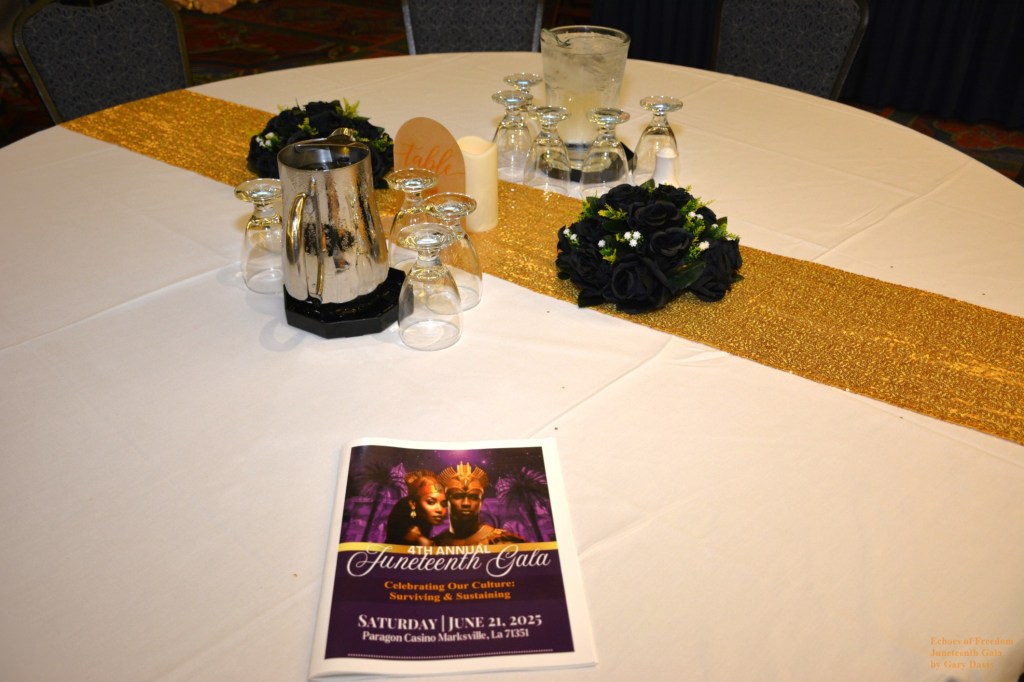
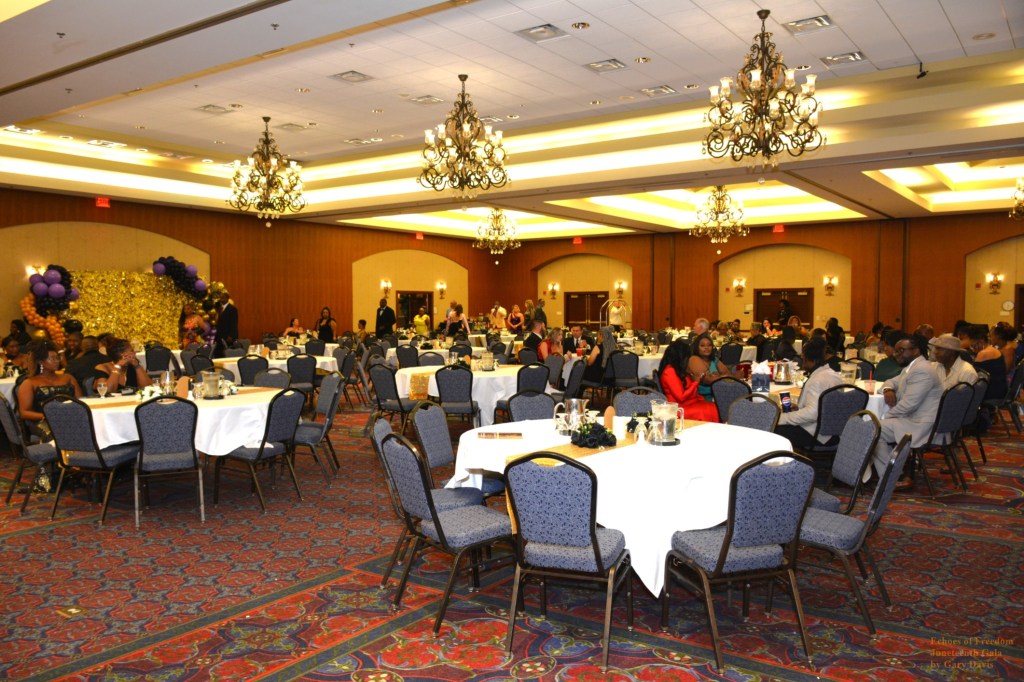
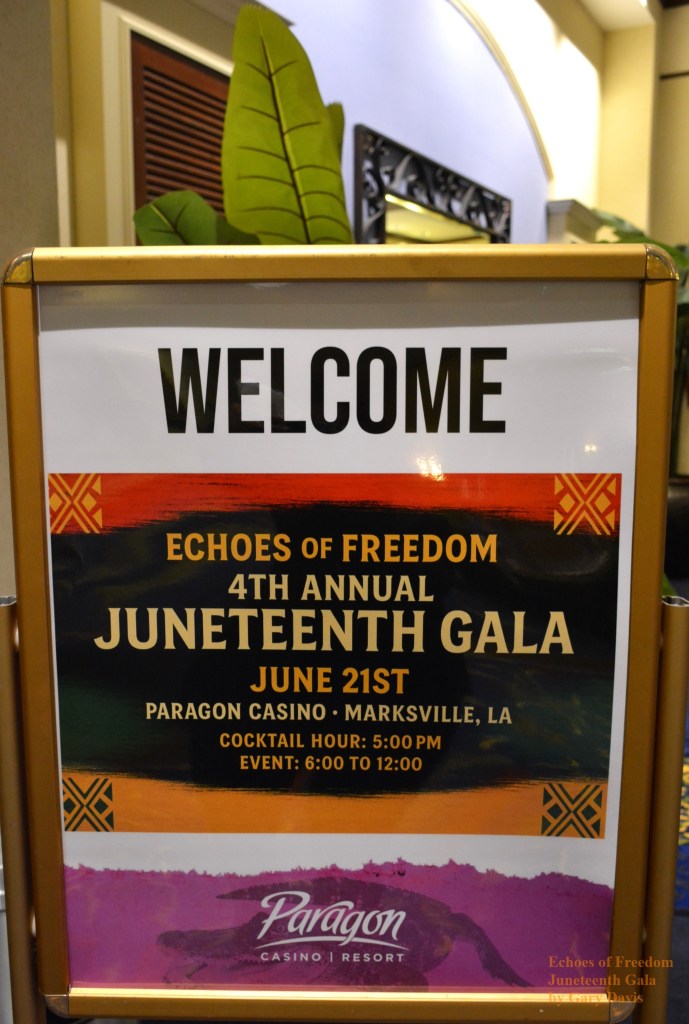
The Gala showcases Black leaders, innovators, artists, and changemakers, spotlighting their significant contributions in various fields Creating space for shared joy, cultural pride, and collective commitment to justice, and strengthening community bonds.
While also providing role models and tangible examples of success, motivating young Black individuals to thrive and lead.
Assertion of Presence
The parades serve as vibrant living history lessons that honor ancestral struggles, showcase triumphs, and encourage dialogue on Black identity, social justice, and shared American history for all backgrounds.
Historically, these events allowed African Americans to claim public space, celebrate their freedom, and counter narratives that diminished Black contributions to U.S. history.
Parades symbolize hope and endurance, reminding people that even through struggle, liberation and a better future are possible, echoing the biblical concept of Jubilee.
Bringing people together, encouraging networking, and storytelling.
The cook-off celebrates Black culture, history, and freedom through food, symbolizing community, resilience, and ancestral heritage by gathering people to share traditional soul food, often featuring red dishes, embodying the joy and perseverance that followed emancipation. It honors the deep roots of African American cuisine, showcases culinary talent, and fosters connection, turning meals into powerful expressions of identity and shared liberation.
Providing a platform for home cooks and professional chefs to display culinary skills, share family recipes, and highlight the rich diversity within Black cuisine.
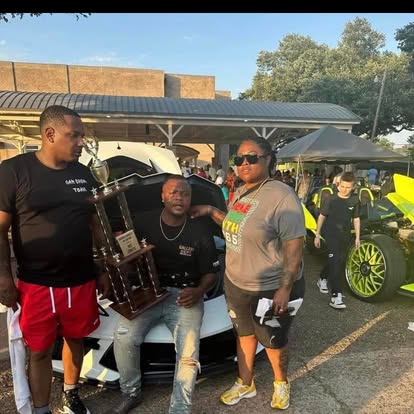
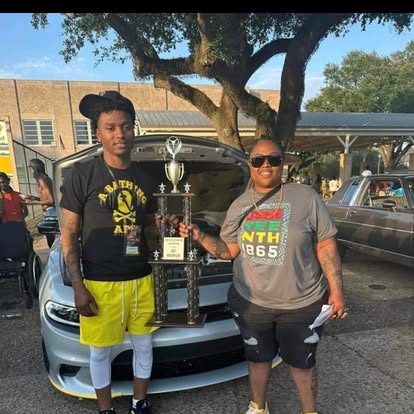
Spades, Dominos, Corn Hole, and Car Show
Traditional games at Juneteenth are vital for connecting generations, teaching history and cultural values through joy, building community pride, fostering essential life skills (like problem-solving and strategy), and preserving African American heritage in a fun, accessible way that makes the past relevant for the future. These contests serve as joyful bridges to understanding Black resilience, freedom, and identity.
 Avoyelles Juneteenth